Paf's Carbon Accounting Report 2025 – a positive trend continues
Paf's climate impact decreased in 2025. The annual carbon accounting report shows that emissions continue to move in the right direction, as part of Paf's long-term work towards Net-Zero 2040.
Paf's total operations had a climate impact of 4,638 tCO₂e in 2025, down from 5,408 tCO₂e in 2024. The emissions intensity, total emissions relative to Paf's turnover, decreased from 29.55 tCO₂e/€1M to 21.62 tCO₂e/€1M.
Paf has been calculating its climate impact according to the GHG Protocol standard since 2016. The calculation covers at least 95% of all emissions and forms an important basis for the work towards Net-Zero 2040.
On the way to Net-Zero 2040
Paf's goal is to reach Net-Zero by 2040, which requires a 90% reduction in the company's total climate impact. The target has been verified by the Science Based Targets initiative (SBTi), in line with the Paris Agreement's goal of limiting global warming to 1.5°C. As a near-term target, Paf commits to reducing its scope 1 and scope 2 emissions by at least 46% by 2030, from the 2019 base year.
“Environmental work is an important part of our ambition to be a sustainable entertainment company. This report helps us understand where we are and what we need to keep improving,” says Ludvig Winberg, Corporate Communication Manager.
Electric vehicles reduce Paf's direct emissions
Paf's direct emissions from vehicles decreased in 2025. The main reason is that the Land & Ship unit has continued replacing fuel-powered vehicles with electric vehicles, combined with improved activity data collection.
“Scope 1 emissions fell from 34 to 15.3 tonnes of carbon dioxide equivalents compared to 2024. This is largely because we have continued to replace fuel-powered vehicles with electric vehicles,” says Ludvig Winberg.
Scope 2 emissions, however, increased from 18 tCO₂e to 28.2 tCO₂e. One reason is expanded warehouse space in Stockholm, as well as the fact that electricity consumption from electric vehicles is reported under Scope 2.
Better supplier data reduced Scope 3
The largest share of Paf's climate impact comes from Scope 3, accounting for 99.06% of total emissions. In absolute terms, this amounts to 4,594.63 tCO₂e, compared to 5,356 tCO₂e in 2024. Scope 3 measurements cover all relevant indirect categories, including purchased goods and services, capital goods, business travel and downstream leased assets.
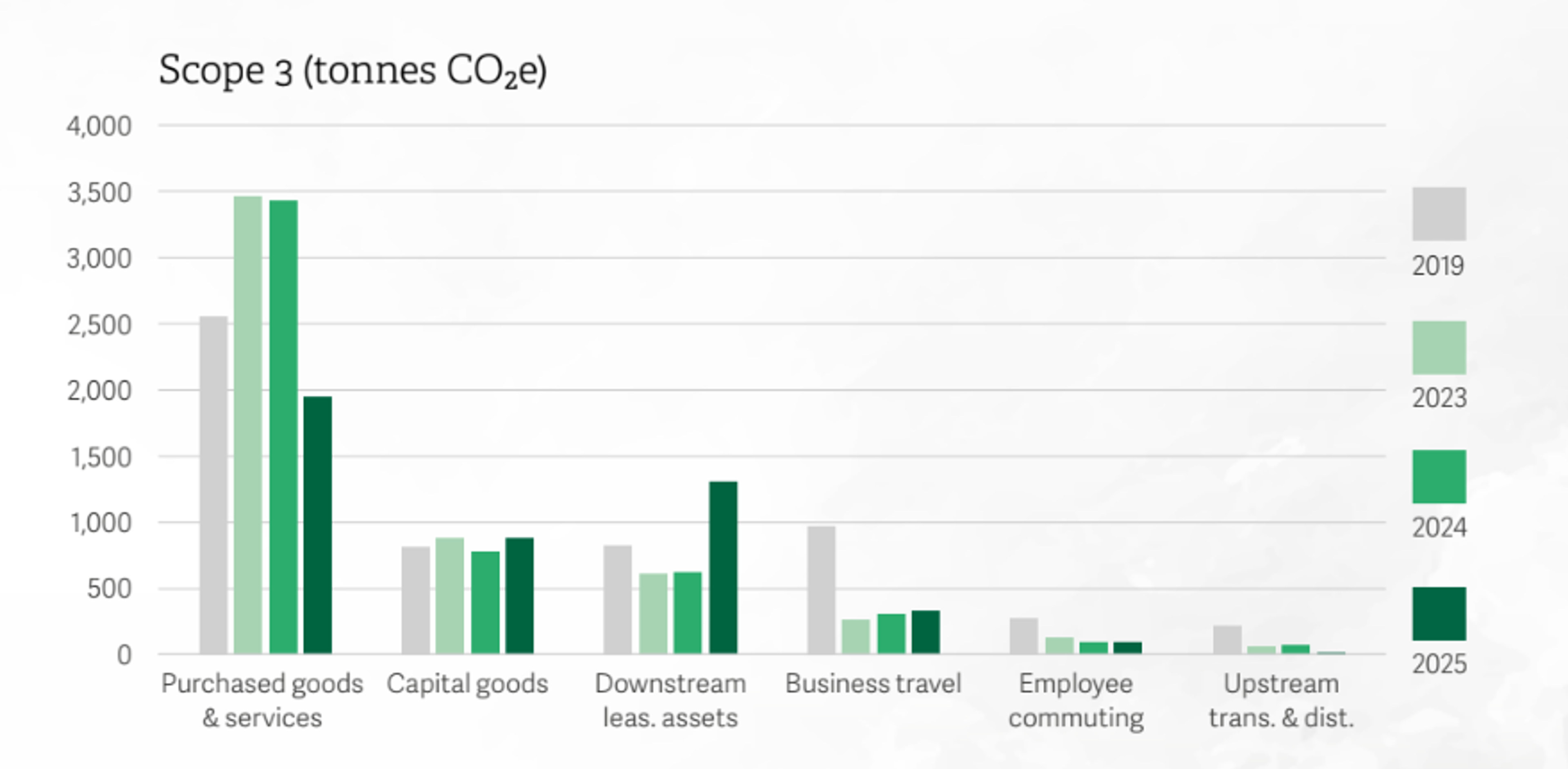
The largest emission categories within Scope 3 are purchased goods and services (1,947.78 tCO₂e), largely attributable to IT services and marketing services, capital goods (885.2 tCO₂e) consisting primarily of purchased machines, and downstream leased assets (1,310.1 tCO₂e) corresponding to the energy consumption of games on board the ships.
“A key reason for the reduction is that two of our largest partners were able to provide us with supplier-specific emissions data. This significantly lowered our calculated environmental impact, as both companies are committed to environmentally sustainable solutions,” says Ludvig Winberg.
Read Paf's Carbon Accounting Report 2025.
Published: 12 juni 2026
News with same tag
SpelAkademin 2026 on Åland
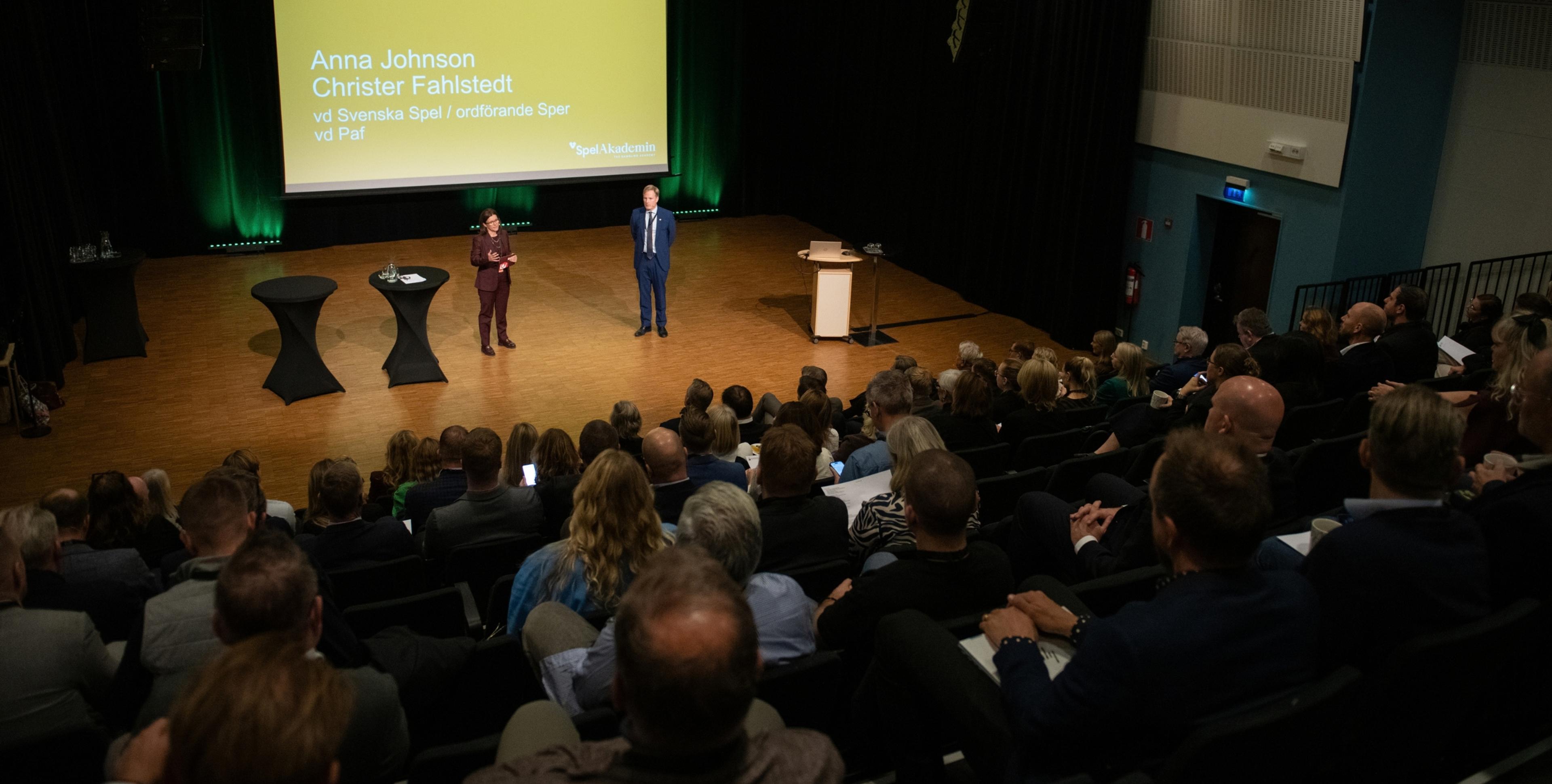
The Nordic gaming industry came together in Mariehamn when SpelAkademin was held on 7 October. SpelAkademin is Sweden's most established industry forum and has been held since 1992.
Published: 08 oktober 2026

Paf launches pilot project with Meta in Switzerland
Paf has reached an agreement with Meta on a pilot project aimed at stopping unlicensed gaming companies. The work starts shortly. The goal is to build a model in Switzerland that can then be scaled up to more markets.
Published: 05 oktober 2026
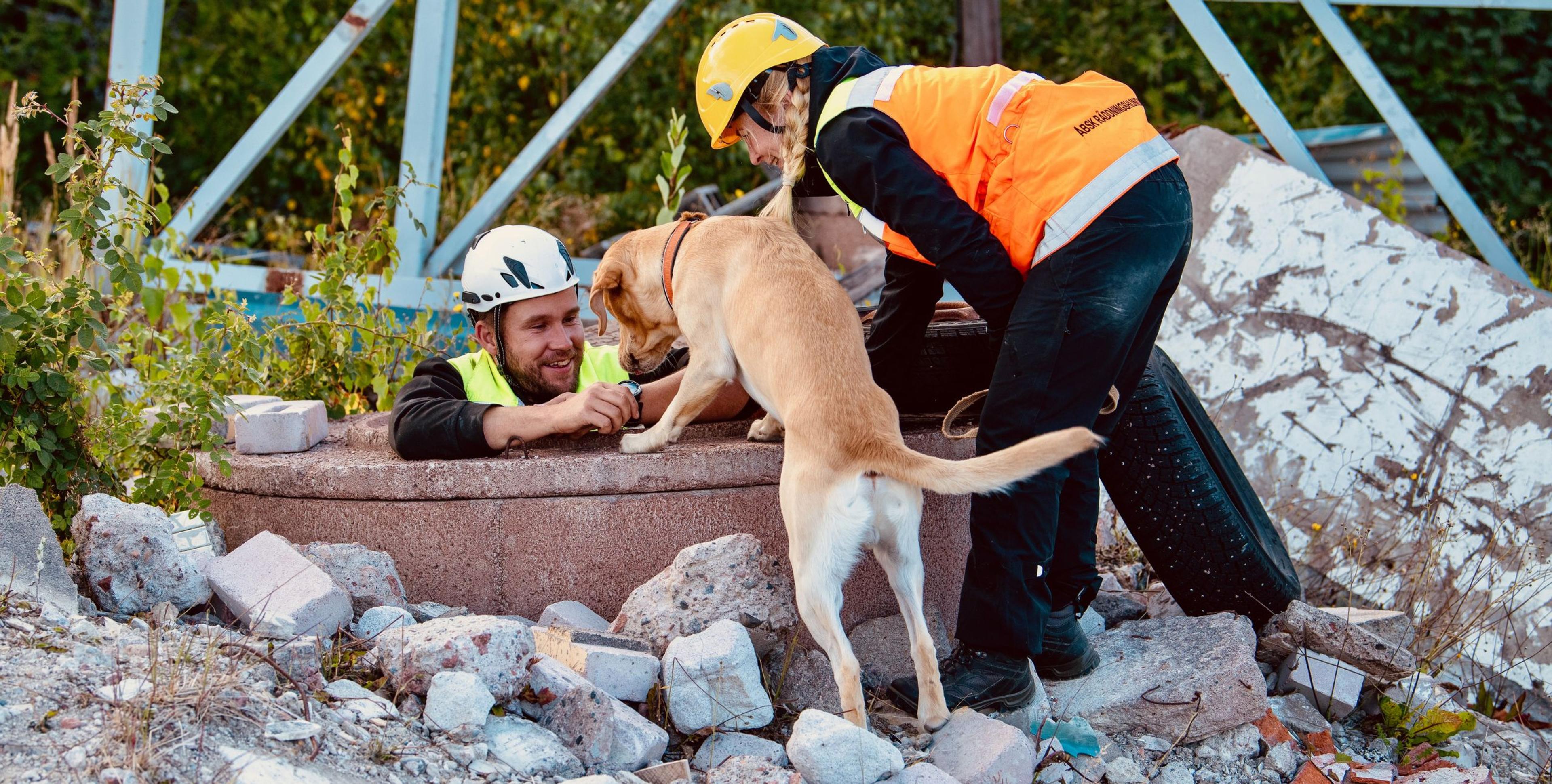
Ready when the alarm goes off
When a person goes missing, every minute can matter. And in building collapses, evacuations and large-scale searches, several trained dogs may be needed at once. With support from Paf, ÅBSK Rescue Dogs can train and equip handler-and-dog teams that stand ready when the police call.
Published: 03 september 2026