Ready when the alarm goes off
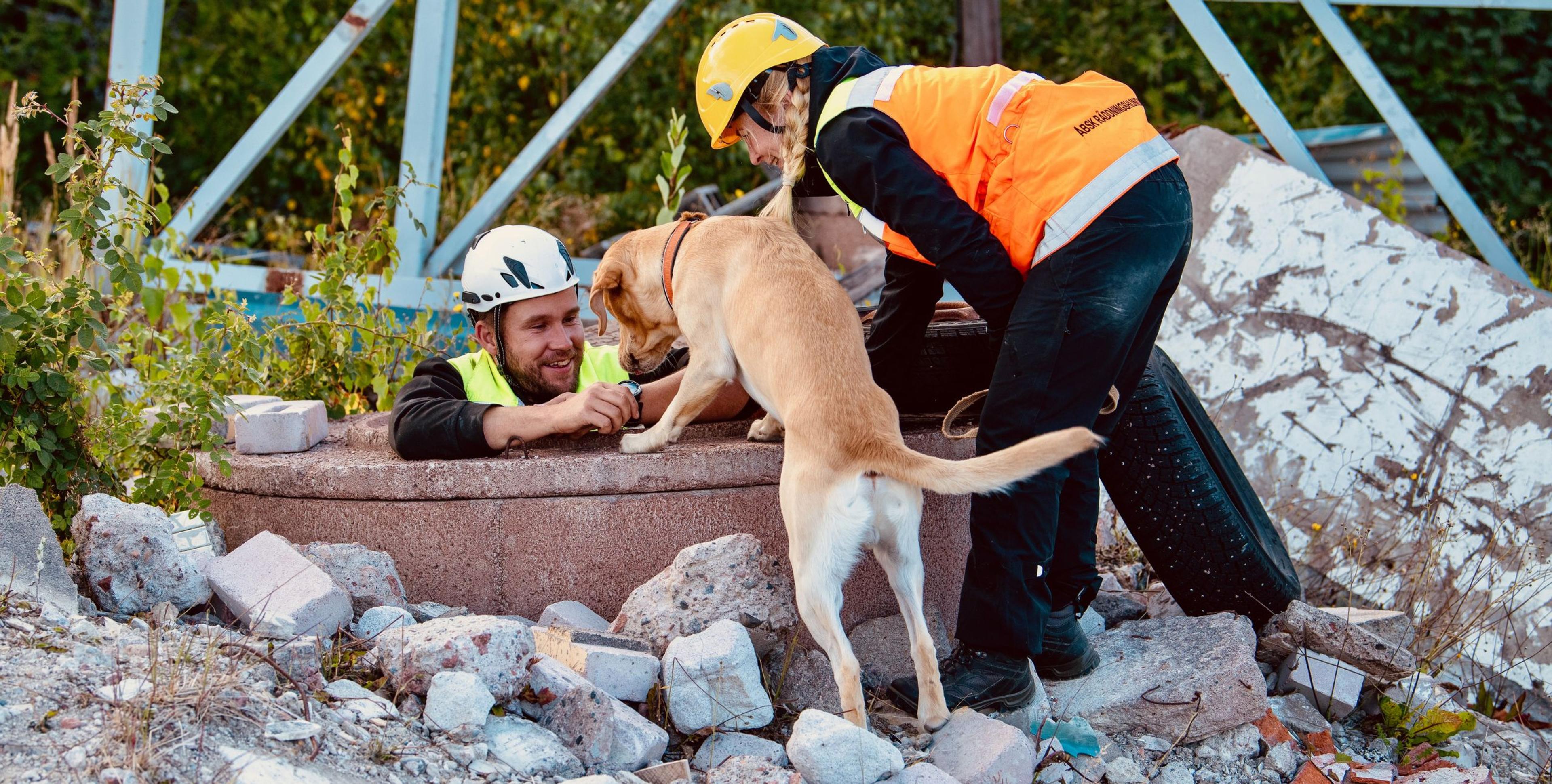
When a person goes missing, every minute can matter. And in building collapses, evacuations and large-scale searches, several trained dogs may be needed at once. With support from Paf, ÅBSK Rescue Dogs can train and equip handler-and-dog teams that stand ready when the police call.
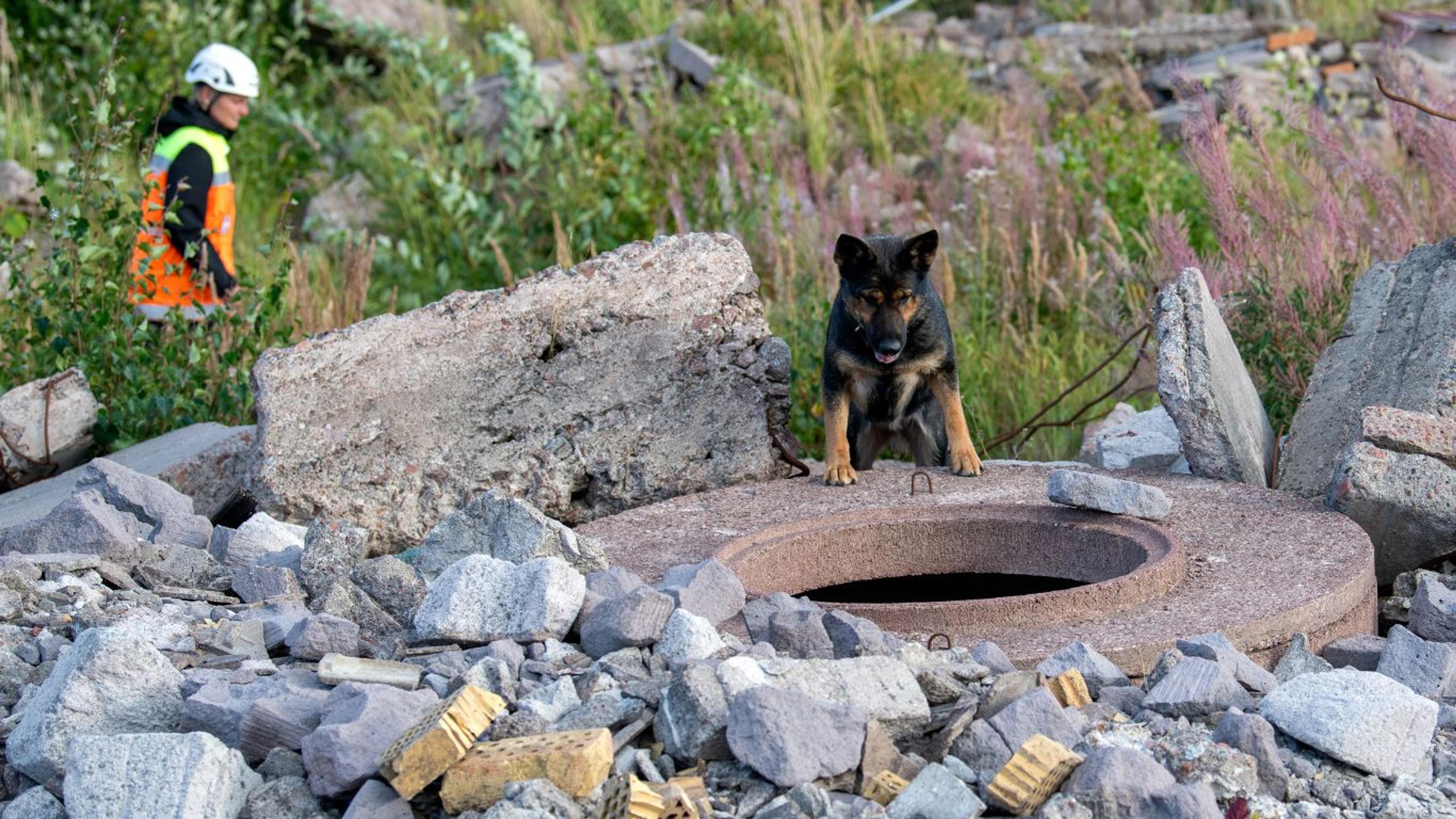
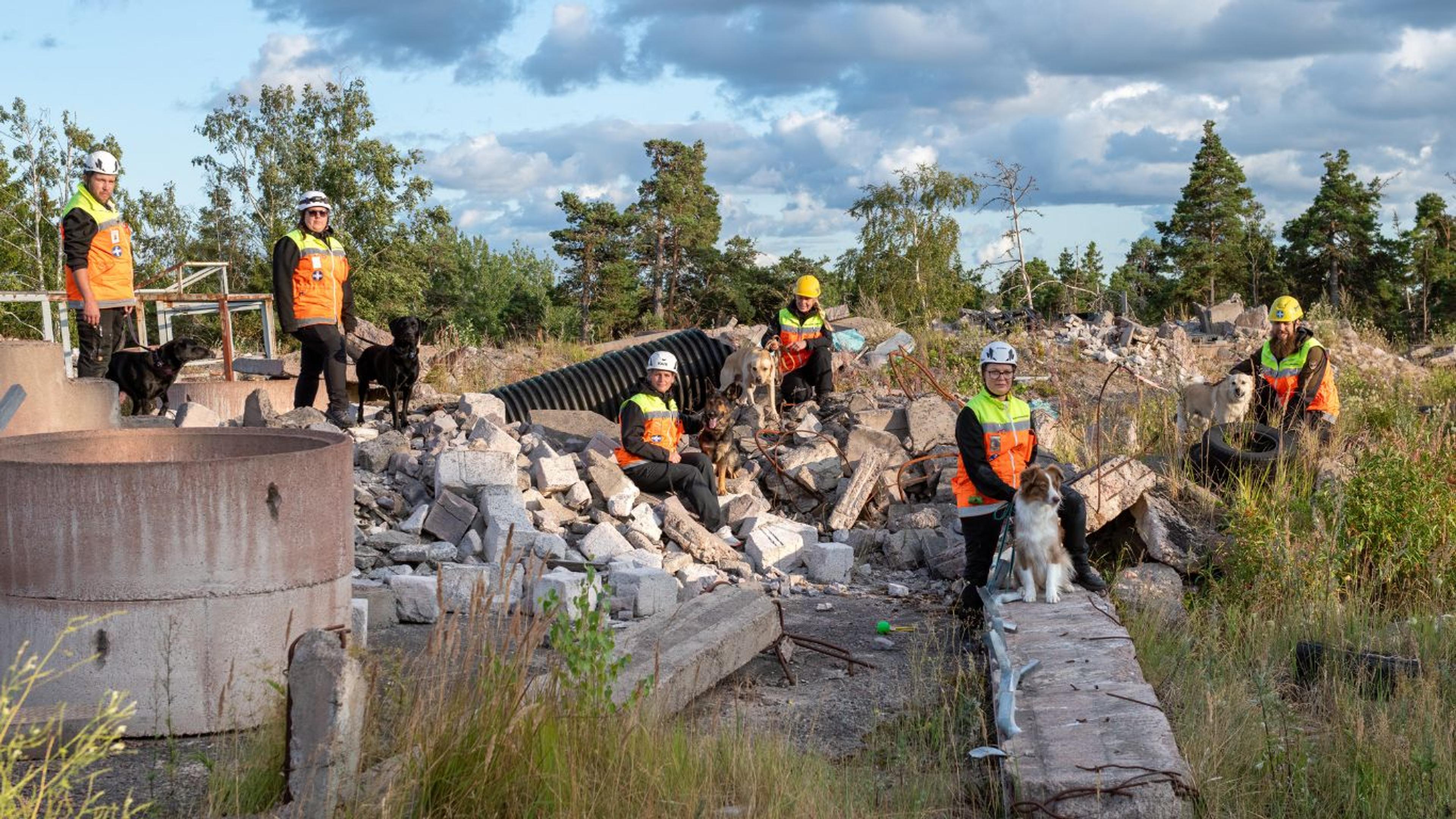
Walking around the fenced-in hill at Färjsundet, it takes only a little imagination to believe that part of Åland is recovering from a nuclear war. Concrete blocks with exposed rebar, sections of tiled floor, concrete pipes, sheet metal and debris of every kind lie scattered in all directions. But the site – known simply as "the ruin" – is not the result of any explosion. It has been built deliberately so that the ÅBSK rescue dogs can practise searching for missing people in collapsed structures: an environment with an extreme number of places where a person can be hidden, and where even a dog can find it genuinely difficult to move around. Linda Larsson is group leader for ÅBSK Rescue Dogs and one of six people present on this training evening in mid-August.
"We train in several different places, but the ruin is particularly good because there are so many hiding places and so much difficult ground for the dogs. It's a good exercise for making the dogs more confident."
Exactly how many dogs are available within ÅBSK's rescue dog operations is something Linda can't say off the top of her head – there are a large number of teams at different stages of training. She has three dogs herself.
"My dogs and I train every day. Why? Because this is my thing, my great passion outside of work. Some people go to the gym, some people fish, and I do this. It's something I love spending time on, and the times we get called out are a big part of the motivation. I know that this dog can follow a track that's twelve hours old, and if someone needs to be found fast, she's the right dog – it's just poof, and she's off."
A resource for the police
The dog handlers at ÅBSK work entirely on a voluntary basis and cover most of the costs for their dogs themselves. The Paf funding, on the other hand, makes it possible to finance what the group needs collectively: GPS equipment, among other things, and the cost of bringing instructors and judges to Åland. The latter is essential if the teams are to be trained, examined and approved for real operations. Last year, ÅBSK Rescue Dogs were called out by the police on eight separate occasions.
"We operate under the Voluntary Rescue Service (FRT), and it's us FRT leaders who the police call when they need help. We've assisted with ship evacuations, searches for missing persons, search lines and similar work," says Linda Larsson.
"Of course, the police have their own dogs too, but not all of them do person searches, a large area can require many dogs, and the police may also be left without dogs if theirs are away on training in Finland. So I think we're a fairly important resource for them, especially since they've been involved in approving the dogs and have seen them in action – which means they also know what we can contribute," says Linda Larsson.
Published: 03 september 2026
News with same tag
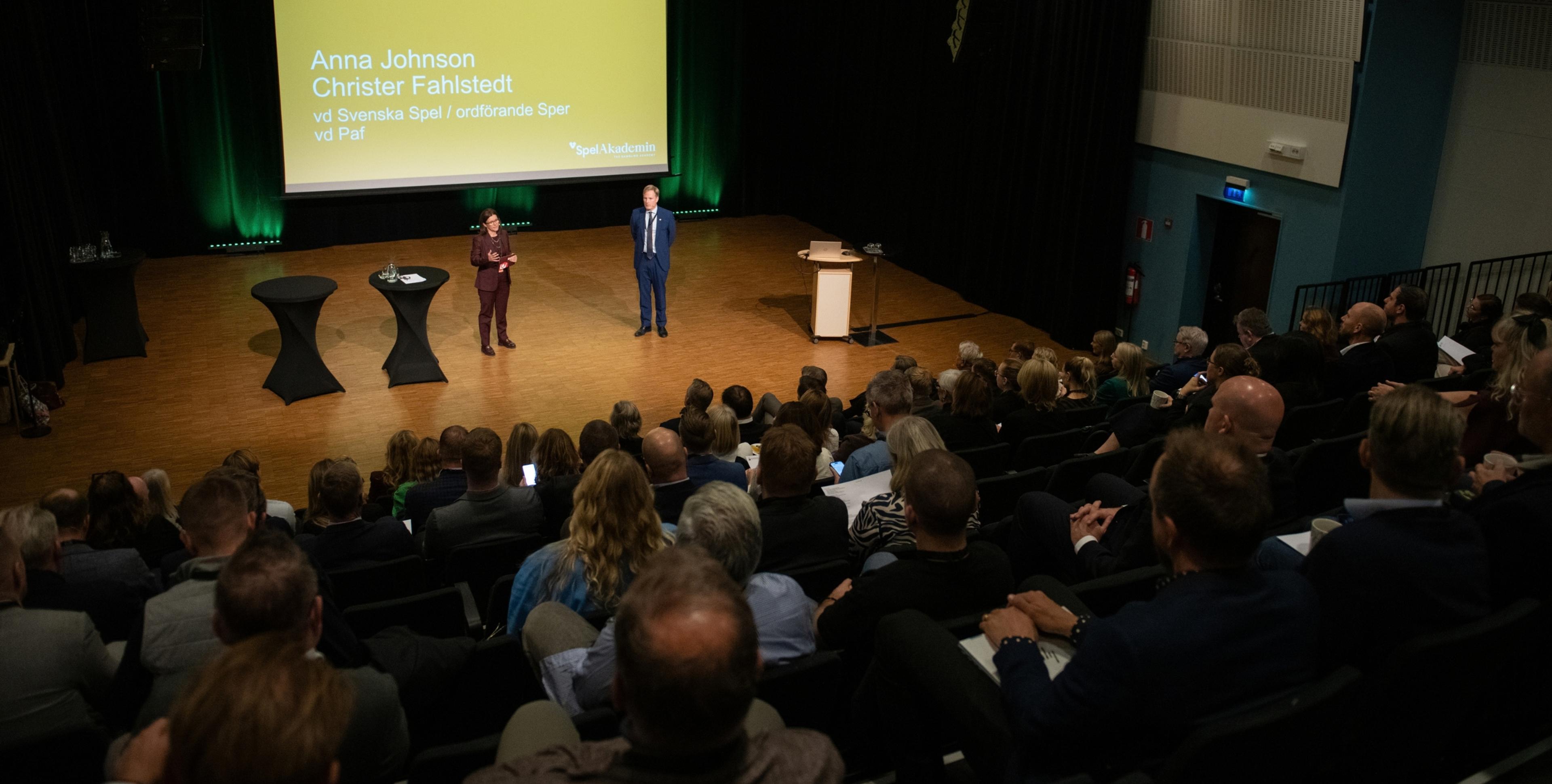
SpelAkademin 2026 on Åland
The Nordic gaming industry came together in Mariehamn when SpelAkademin was held on 7 October. SpelAkademin is Sweden's most established industry forum and has been held since 1992.
Published: 08 oktober 2026

Climate financing – Paf supports projects in England and Nicaragua
Every year, Paf provides climate financing equivalent to its measured climate impact as part of its environmental work. This year the support goes to two projects – one in England that turns carbon dioxide into building material, and one in Nicaragua that generates renewable energy from geothermal heat.
Published: 29 juni 2026
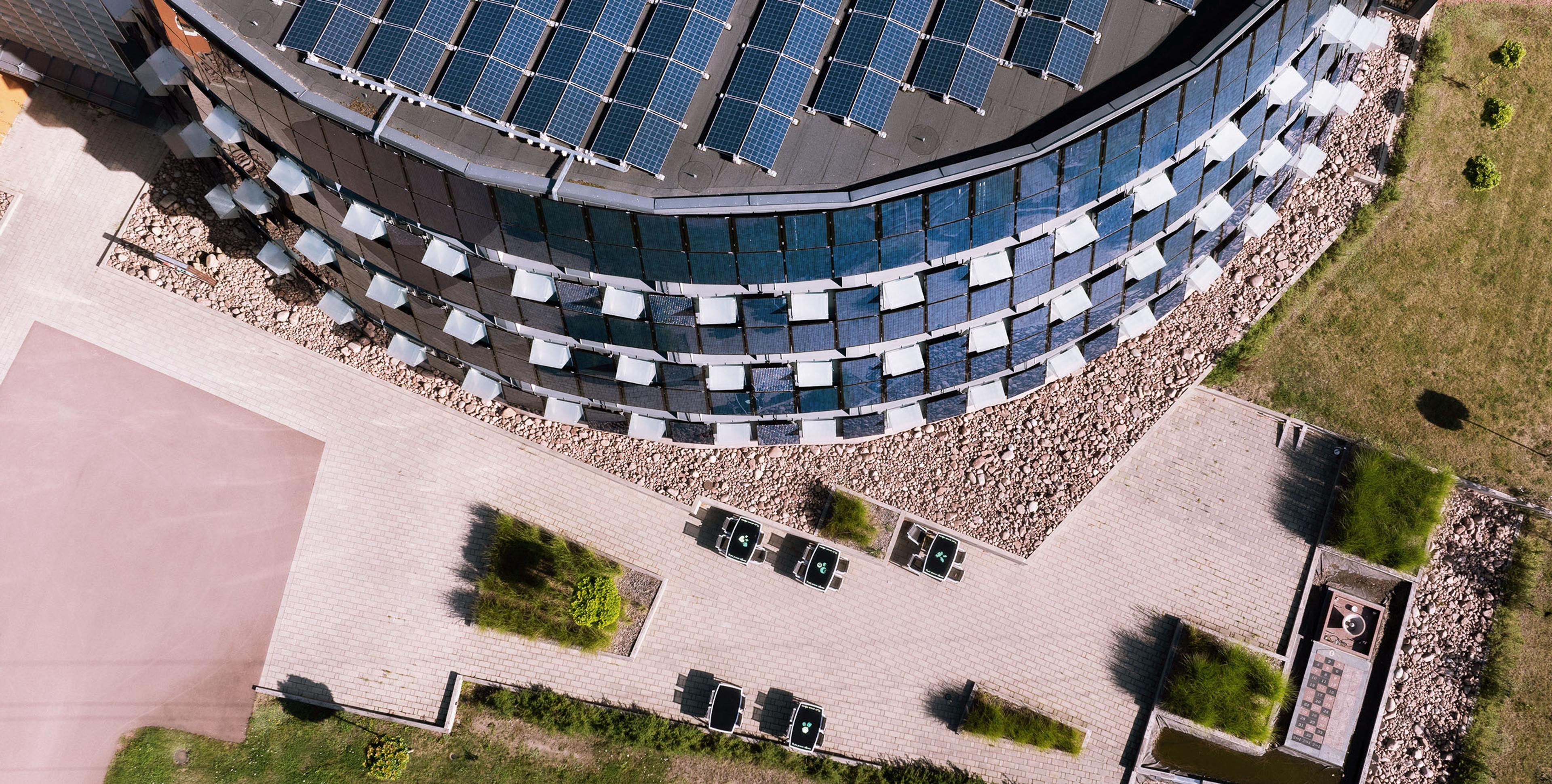
Paf's Carbon Accounting Report 2025 – a positive trend continues
Paf's climate impact decreased in 2025. The annual carbon accounting report shows that emissions continue to move in the right direction, as part of Paf's long-term work towards Net-Zero 2040.
Published: 12 juni 2026